
In the realm of user experience (UX) design, the ethos of the top UX design agencies hinges on a user-centered approach. The paradigm that governs this approach is design thinking. But what is the design thinking process? How does a leading UX design agency implement this to create impactful user experiences? Leading agencies that focus on modern UI UX design solutions leverage design thinking to address user needs effectively. Let’s delve into this fascinating world of ‘think design.’
What is Design Thinking?
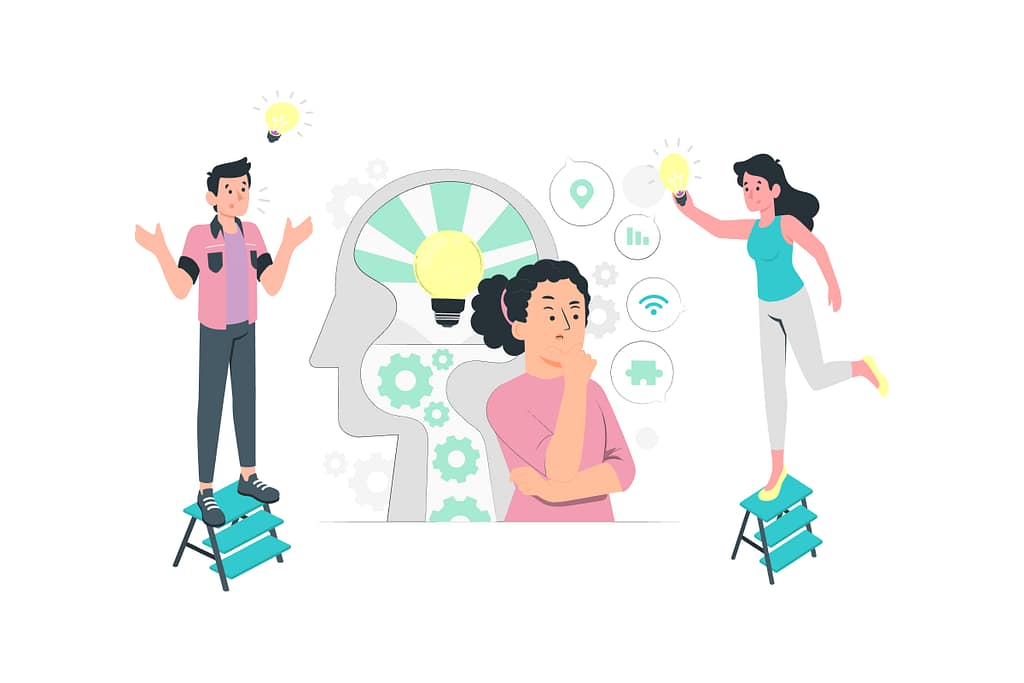
Design thinking is an iterative problem-solving process designers use to tackle complex issues. This process prioritizes empathy, experimentation, and iteration to understand the user, challenge assumptions, redefine problems, and create innovative solutions. It’s a systematic framework comprising five stages: Empathize, Define, Ideate, Prototype, and Test.
What is the Design Thinking Process?
Design thinking is an iterative, cyclical process that does not follow a linear path. Its primary purpose is to gain a deep understanding of the users, question preconceived notions, reframe challenges, and generate pioneering solutions that are then brought to life through prototyping and assessed through testing. This method is particularly beneficial in User Experience (UX) Design, fostering creativity, user-centricity, and iterative design.
Understanding the Design Thinking Process
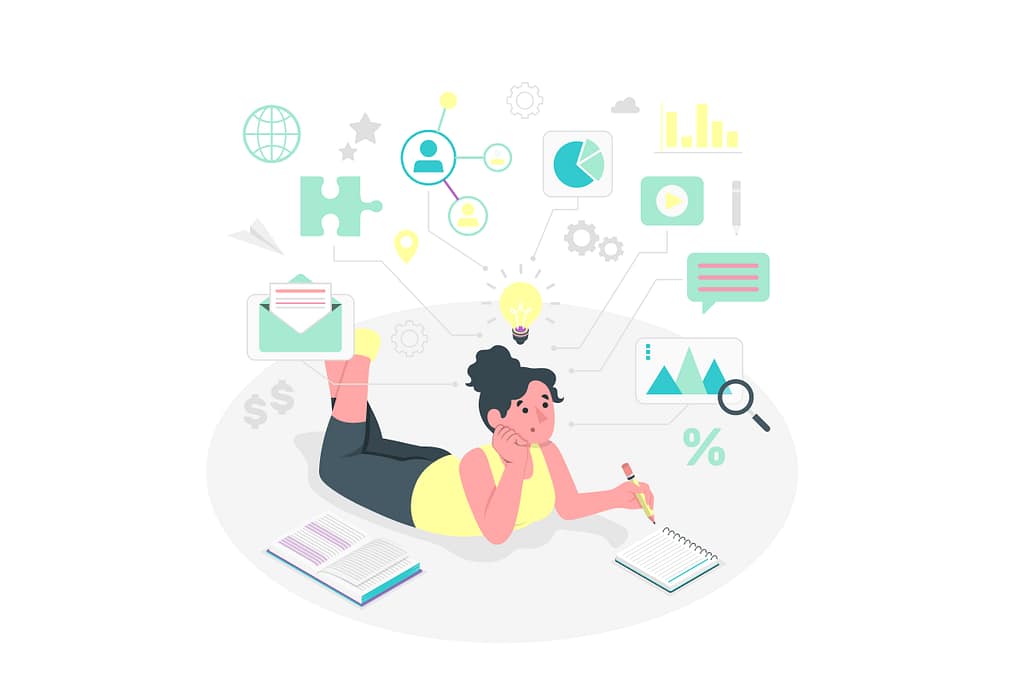
So, what is the design thinking process, and how does it shape the UX design landscape? At its core, the design thinking process is a methodology designers use to solve complex problems in a user-centric way. This approach encourages designers to focus on the user’s needs, desires, and experiences, ultimately driving the creation of more innovative and user-friendly solutions. The process typically involves five distinct stages, each with its unique focus and objective.
The UX Design Process: An Association with Design Thinking

A top UX design agency integrates design thinking into its core workflow, leveraging the robust UX design process.
Stage 1 Empathize:
Empathy forms the cornerstone of any successful UX design. To design a product that resonates with users, it’s crucial to understand their needs, desires, and problems. Designers conduct interviews, surveys, and observations, collecting comprehensive user data.
Stage 2 Define:
Once equipped with ample user insights, the UX design agency moves on to the next stage – defining the problem. Here, they synthesize and interpret the findings from the first stage, outlining the pain points and needs of the users.
Stage 3 Ideate:
The ideation phase is where creativity thrives. Designers brainstorm and generate an array of potential solutions to the defined problems. This could be new features, interactions, or even entire products.
Stage 4 Prototype:
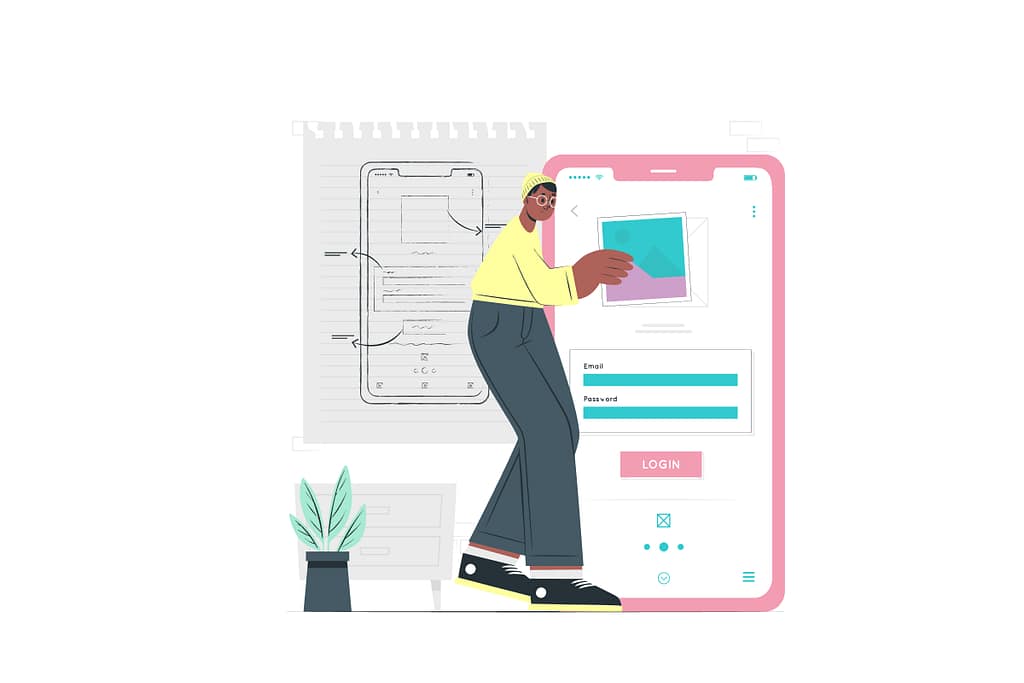
In this phase, the abstract ideas take on a more concrete form. The UX design agency creates a mockup of the solutions. Prototypes vary in fidelity, from low-fidelity wireframes to interactive high-fidelity models.
Stage 5 Test:
The final phase of the UX design process is testing. Designers share the prototype with users, observe their interaction, gather feedback, and assess if the solution meets user needs. Based on the results, designers may refine the prototype or return to a previous step to reiterate and improve.
How UX Design Agencies Leverage Design Thinking
Design thinking is a strategic cornerstone in the operations of leading UX design agencies. It is a user-centric approach that takes center stage in understanding and solving user problems innovatively. It is crucial for these agencies because the very nature of UX design is to improve the user’s interaction with a product, aligning perfectly with the empathize-define-ideate-prototype-test cycle of design thinking.
Empathy plays a significant role in this process. UX design agencies invest time and resources in understanding their users’ needs, experiences, and challenges, setting the foundation for their design work. The empathy phase, often involving extensive user research, interviews, surveys, and observational studies, helps designers view the problem from the user’s perspective. This understanding provides insights into shaping problem definition and generating user-centered solutions.
Design thinking continues to provide invaluable guidance in the subsequent phases of ideation, prototyping, and testing. Ideation spurs creativity and innovation, encouraging designers to brainstorm various potential solutions. Prototyping then brings these ideas to life, allowing agencies to visualize solutions and assess their feasibility. Finally, user testing offers an opportunity to validate the designs against real user feedback, driving iterative refinement. This entire process enables UX design agencies to craft designs that resonate with the user, validating design thinking as an indispensable tool in their arsenal.
The Impact of Design Thinking on UX Design
Design thinking profoundly impacts the field of UX design in several ways.
Promotes User-Centricity:
The design thinking process ensures that user needs and desires stay at the forefront of the design process. By empathizing with users and defining their problems accurately, design thinking helps create more relevant, impactful user experiences.
Fosters Innovation:
The ideation stage in the design thinking process encourages the generation with a wide range of ideas without constraints. This openness fosters innovation, leading to unique and creative UX solutions.
Encourages Iteration and Learning:
Design thinking sees the design process as iterative. Prototyping and testing ensure that the final design is refined and polished through repeated iterations, creating an optimal user experience.
Reduces Risk:
Through early and frequent user testing, design thinking helps to identify potential issues or areas of improvement before heavy investment in development. This process can save resources and avoid costly redesigns down the line.
How a UX Design Agency Thrives with Design Thinking
A top UX design agency harnesses the power of design thinking to create human-centric products that stand out from the crowd. But it goes beyond merely using the process. They embrace the philosophy of ‘think design,’ integrating design thinking into their culture.
Firstly, they advocate empathy as a fundamental design principle. Understanding users on a deep level allows them to create solutions that users love. This connection with users extends beyond the empathize phase, carrying into every part of the design process.
Secondly, these agencies champion a culture of collaboration. Design thinking is a team sport, thriving on diverse ideas and perspectives. UX designers, graphic designers, developers, and content strategists work together to create a holistic user experience.
Lastly, a top UX design agency is never afraid of making mistakes. Design thinking’s iterative nature means they always have room to learn, adapt, and improve. They perceive failed attempts not as setbacks but as stepping stones to creating the perfect user experience.
How Wilson Wings Uses Design Thinking To Serve You Better
Design thinking lies at the heart of a successful UX design agency. By adopting this iterative, user-centric approach, they can create designs that truly resonate with users and leave a lasting impact. After all, to be a leading UX design agency is not just to design for users but to design with users.
Wilson Wings, a recognized name in product design and digital marketing, effectively employs design thinking to enhance business outcomes. The team, comprised of experts who deeply understand this iterative methodology, begins with thoroughly comprehending your business goals, target audience, and the unique challenges your enterprise faces. We immerse ourselves in the customer’s shoes through a highly empathetic approach, collecting meaningful insights to inform the entire design process.
Leveraging these insights, Wilson Wings goes beyond merely creating visually appealing designs. We aim to construct a cohesive and intuitive user journey, ensuring each design decision aligns with the user’s needs and expectations. Through the iterative design thinking process, we constantly refine our strategies and designs. This rigorous, user-centric approach has led to the development of digital products and experiences that not only meet but exceed user expectations, consequently driving higher engagement, customer satisfaction, and, ultimately, business growth.
Wilson Wing’s Unique Approach to Design Thinking
Wilson Wings’ approach to design thinking sets it apart in a highly competitive landscape. One of the unique aspects of our methodology is the commitment to deep, immersive empathy.
Unlike traditional approaches that may rely heavily on statistical data, Wilson Wings emphasizes the importance of qualitative insights. We delve deep into the user’s environment, considering cultural, social, and emotional factors, enabling us to uncover hidden needs and desires that quantitative data alone might overlook.
Additionally, Wilson Wings treats design thinking as a process and an ethos that permeates the entire organization. Regardless of their role, every team member is encouraged to adopt a design thinking mindset.
This holistic approach breaks down silos and promotes cross-functional collaboration, ensuring a diversity of perspectives in problem-solving. Moreover, it fosters a culture of innovation and experimentation, where creative risks are celebrated, and ‘failure’ is viewed as a valuable opportunity for learning and growth. This unique take on design thinking allows Wilson Wing to deliver innovative and user-centric solutions consistently.
Contact us to know more about how our services can help your business thrive.