

Logos are a vital element of any business’s branding and identity, but they can easily become confusing or unappealing if not designed correctly.
This blog post will go over the fundamentals of excellent logo design as well as how to avoid and spot bad logo design in order to assist you in creating a standout logo that effectively represents the message and values of your brand.
We will also look at how to spot a potentially disastrous logo in order to protect your company from any awkward mishaps further down the line. Keep reading for all the must-know advice on creating an effective logo.
Importance of a good logo design for your business
The logo of a business is one of the most important components of brand recognition.
As your company’s logo is the first thing customers see, it must be well-designed in order to provide a positive first impression.
Creating a logo that accurately conveys your brand and your values is crucial.
Makes a profound first impression

A good logo design is critical because it can make a strong first impression on potential customers. The first thing customers will see about your company is your logo, which can help you leave a good impression.
A well-designed logo may help you stand out from the crowd and make a good first impression on your audience.
It is memorable

A good logo design is memorable and easily recognizable. It can help customers remember your brand and differentiate it from competitors.
Customers will remember a well-designed logo more easily, which will make it simpler for them to recall and recognize your business in the future. This is essential for increasing brand recognition and encouraging customer loyalty.
Promotes brand loyalty
A good logo design can also promote brand loyalty. Your audience’s emotional connection and sense of belonging to something special can be sparked by a well-designed logo.
A logo that is consistent across all your marketing channels can help your customers recognize your brand and build trust with your business.
Differentiation

A unique logo can help your business stand out from the competition. In a congested market, a well-designed logo can aid your company in standing out from other companies and drawing in customers.
Recognition

A well-designed logo is memorable and easy to recognize. A straightforward, recognizable logo can help your company stand out in a crowded market and help clients remember your brand.
A recognizable logo can also help increase brand loyalty and customer retention.
Professionalism

Your firm can look more established and professional with the help of a well-designed logo. A professional-looking logo can help you establish credibility and trust with your target market while also giving your company a more dependable and trustworthy appearance.
Are the logo design and branding the same?
When reading about brand identity, many people get confused between logo design and branding and think that both terms are similar. However, this is not true.
Understanding the distinction between the logo design process and branding is crucial since it aids organizations in developing a distinctive and unified brand identity that appeals to consumers.
Businesses can make sure that their branding initiatives are consistent, efficient, and impactful by knowing the distinctions between logo design and branding.
What is logo design?
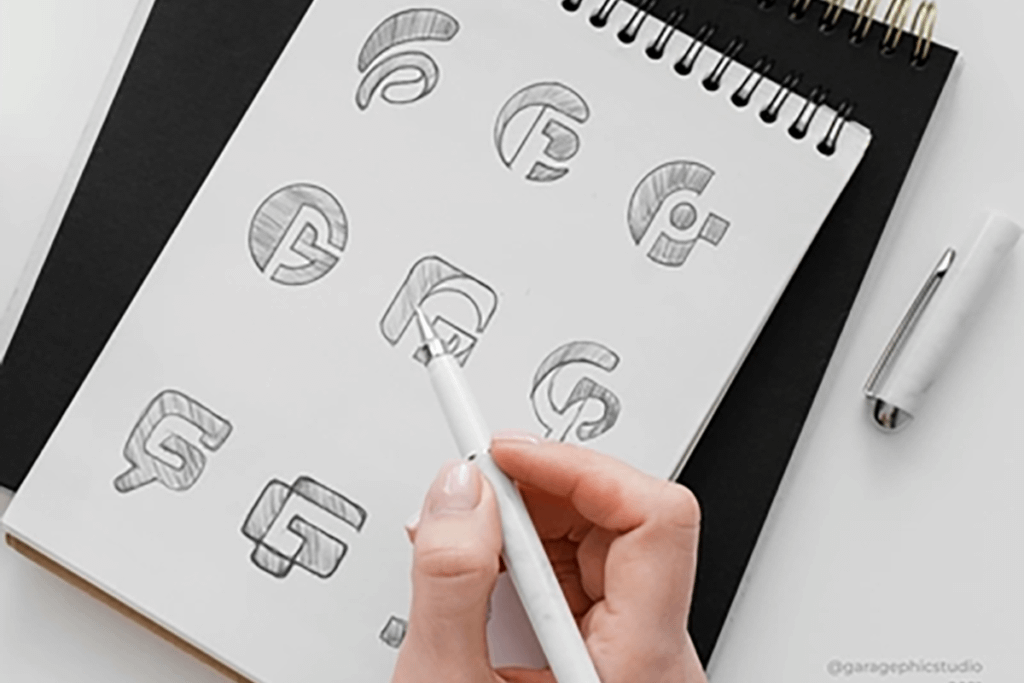
Logo design refers to the process of creating a symbol, emblem, or graphic representation that represents a brand or company. One of the most essential elements of a company’s visual identity is its logo, which communicates the beliefs, personality, and goods of the business.
What is branding?

The process of developing a special and distinctive identity for a good, service, or business is known as branding. It is only creating a brand for your company.
In order to differentiate a business from its competitors and make a good impression on clients, brand building is done.
Difference between logo design & branding
| Logo Design | Branding |
| Shapes, colors, typefaces, and images are just a few of the elements that go into making a logo design. The main objective is to create a unique and memorable logo design for your business that embodies the principles and values of the business. | Branding involves developing a strong logo, tagline, and overall brand message that sets a business apart from its competitors. |
| Logo design is a small concept that comes under branding. | Branding is a wider concept that includes a logo design. |
| Logo design comprises designing just the logo for your brand. | Branding comprises a range of activities involved in creating a complete brand name for your business. |
| It is concerned with making a unique and attractive logo for your business. | It involves various functions like determining business goals, promotion, advertising, packaging, etc. |
What makes a good logo?
Because a logo is the first thing that customers think of when they think of your company, every brand or business requires one. Your brand’s beliefs, purpose, and vision are reflected in its logo, which acts as its identification.
The public gets a first impression of your company through this visual representation. Thus, creating a good quality logo is essential for a brand’s success in the market.
But what makes a good logo? What characteristics define a good logo? Let us look at them one by one below:
Simplicity

The simplicity of a good logo is one of its key characteristics. A straightforward logo is simple, distinctive, and adaptable. A simple logo does not contain unnecessary details, which can confuse the audience.
The logo should have a clear message and communicate the brand’s essence without cluttering the design. Also, a straightforward style makes it easier to duplicate the logo on various media, including business cards, websites, and billboards.
Memorability

A good logo should be simple to remember and memorable. The audience should remember the logo and find it distinctive and memorable.
A memorable logo helps in creating brand recognition and recall. It must be easy to recall for the people (or customers) and distinctive enough to set it apart from your competitors.
Uniqueness

A strong logo ought to be distinct from the competition. It needs to set your brand apart from rivals and leave a deep impression on the audience.
A unique logo is easy to remember and creates brand recognition. A unique logo does not mean that it should be complicated or intricate. A simple yet unique design can be effective in creating a brand identity.
Timelessness

A good logo should also be timeless. As a result, even if design trends shift, they should be able to endure and still be relevant.
A timeless logo should be simple, with a classic and timeless design that is not overly complicated or trendy.
A good logo should reflect the authentic identity of your brand, rather than simply following the latest design trends. It needs to effectively represent the essence of your brand while still being distinctive and memorable.
Versatility

A quality logo must be adaptable enough to function in a variety of settings and contexts. It should be scalable, so it can be reproduced in different sizes, from large banners to small business cards, without losing its integrity.
Even when compressed to a smaller size, it should still be readable and clear. As a result, the design needs to be simple with few details and clear lines.
Color

Color plays a crucial role in designing a good logo. It elicits sentiments and emotions and aids in establishing an emotional connection with the audience.
The logo’s colors should be appropriate for the brand’s values and sector. To create a pleasing design, the color combination must be harmonious and the contrast must be well-maintained.
How to recognize a bad logo design: 7 common flaws in logo
The brand identification of the organization can be significantly impacted by a well-designed logo, whilst a subpar logo can have the opposite effect.
Here are some of the easiest methods to spot a bad logo design:
Outdated visuals:

A terrible logo’s outdated design is one of its most evident warning indicators. This can include using old-fashioned fonts or graphics that are no longer relevant to the company’s brand or products.
A company may come off as outdated and out of touch with contemporary society if its logo is out of date.
Too simple or too detailed:

A bad logo design can also be either too simple or too complicated. A logo that is too simple can lack visual interest, while a logo that is too detailed can be overwhelming and difficult to read.
A good logo should strike the right balance between simplicity and complexity.
The logo is not memorable:

A bad logo design can also fail to make a lasting impression on viewers. A logo that is not memorable may be easily forgotten, making it difficult for a company to build a strong brand identity.
The logo is not relevant and unique:

A good logo design should be relevant to the company’s brand and products.
A bad logo design can be generic or irrelevant, failing to capture the company’s essence. In addition, a good logo must be distinctive and easy to tell apart from those of other companies or businesses.
Logos with conflicting themes:

A bad logo design can also have conflicting themes, making it difficult for viewers to understand the company’s brand identity.
A logo should be consistent with the company’s brand message and should not confuse viewers with mixed messages.
Not choosing the right font:

Another common mistake in designing a logo is selecting the wrong font. The font should be easy to read, appropriate for the brand, and visually appealing.
A poor choice of font can detract from the logo’s overall design and effectiveness.
Lacks visual unity:

A bad logo design can also lack visual unity. The logo should have a cohesive design that works together to convey the company’s message. If the logo elements do not work well together, the logo can appear disjointed and unprofessional.
Some tips on how to recognize and avoid logo design mistakes
Logos are the face of your brand. A well-designed logo may convey a lot about your company to your target market and leave a lasting impression. On the other hand, a subpar logo could hurt your company’s image and make it hard for you to maintain your uniqueness.
So, it is important to recognize bad logo design mistakes and try to avert them. Here are some tips on how to recognize and avoid bad logo design mistakes:
Avoid complex designs
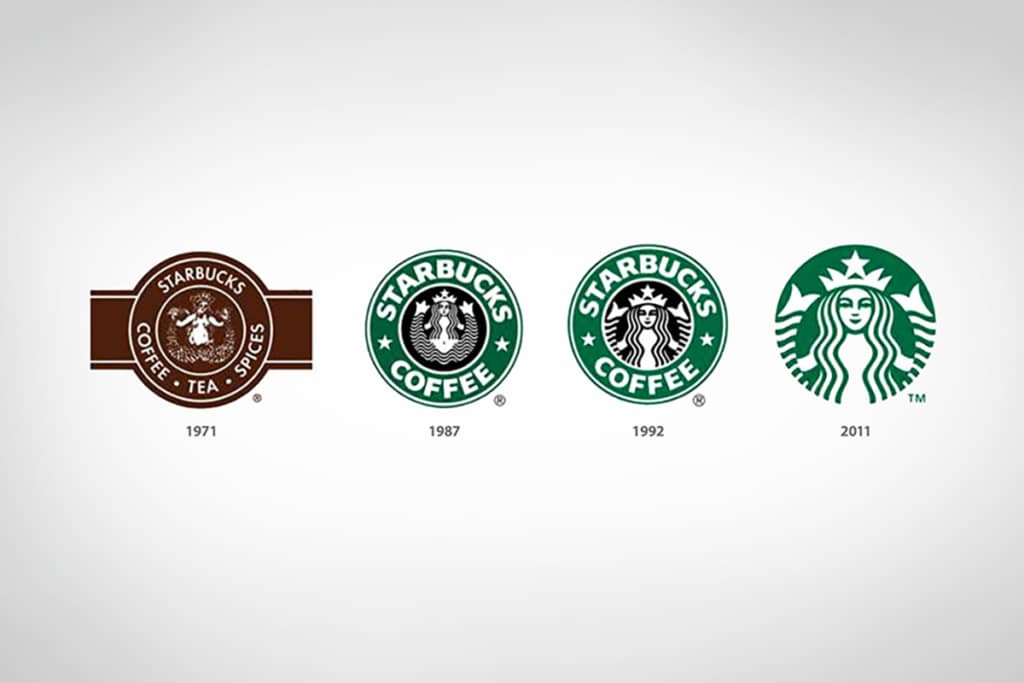
When creating a logo, simplicity is essential. An intricate logo might not be scalable and be challenging to read and recall.
A simple logo, on the other hand, can be easily recognized and reproduced across various mediums. Your logo should be simple, clear, and minimalist.
Ensure clear readability

Your logo ought to be simple to read and understandable even from a distance. The font, forms, and colors utilized in your logo design should be simple and clear to identify.
A bad logo can cause misconceptions and uncertainty, which can damage the reputation of your brand.
Keep yourself away from trends

Trends come and go, but your logo is here to stay. Avoid incorporating trendy elements into your logo design, as they can quickly become outdated. Instead, choose a classic style that will never go out of style and always be useful.
Don’t miss out on the color theory

Colors are important in logo design. Your logo should reflect the character and principles of your brand because different colors elicit various emotions and feelings.
Be mindful of color theory when designing your logo, and choose colors that complement each other and represent your brand.
Be unique and original

It is critical that your logo distinguishes itself from that of your competitors. Avoid copying other brands’ logos or using generic templates. Focus on creating a distinctive logo that accurately represents your brand from others.
Test your logo

Before finalizing your logo design, it is essential to test it across various mediums and platforms. This will help you determine whether your logo is easily recognizable and scalable.
Test your logo on different backgrounds, sizes, and resolutions to ensure it looks good everywhere.
Hiring a professional

Working with a trained designer is essential since creating a logo calls for a specific set of abilities.
A qualified designer has the expertise and knowledge to create a logo that accurately reflects the nature and guiding principles of your business. They can also provide valuable insights and suggestions to improve your logo design.
Key takeaways
Thus, you need to comprehend the fundamentals of good design in order to produce a beautiful logo. These include staying simple, utilizing shapes and colors wisely, and making sure your logo is scalable. These pointers can help you stay clear of numerous typical logo design errors.
Make sure your final design appears equally as nice at compressed sizes as it does at large ones, avoid making your logo too complicated or illegible, utilize clean fonts and forms, and avoid following trends in favor of timelessness. You can design logos that will last a long time with careful preparation and execution.
This was all on our blog on ‘How to avoid and recognize bad logo design’. Have you come across any other bad logo design mistakes? Or do you have any suggestions to impart? If so, write them down in the comments section below.